Habit Building
Resources
Curated books, tools, and research to deepen your understanding of habit science and accelerate your daily practice.
Essential Reading
Books every habit builder should read
These books form the scientific and practical foundation of everything we teach at Travb.
Atomic Habits
The definitive guide to building good habits. Introduces the 1% rule, habit stacking, environment design, and more.
⭐ EssentialTiny Habits
Stanford researcher BJ Fogg shows how to make any habit so tiny that it becomes almost impossible not to do.
⭐ EssentialThe Power of Habit
Explores the neuroscience behind habits, the habit loop (cue-routine-reward), and how to change your patterns.
ScienceDeep Work
How building focused work habits can dramatically improve productivity and meaningful output.
ProductivityBetter Than Before
A personality-based approach to habit building — different strategies work for different habit types.
MindsetMini Habits
The counterintuitive strategy of using stupidly small habits to generate lasting behavioral change without motivation.
BeginnerVisual Guides
Habit science made visual
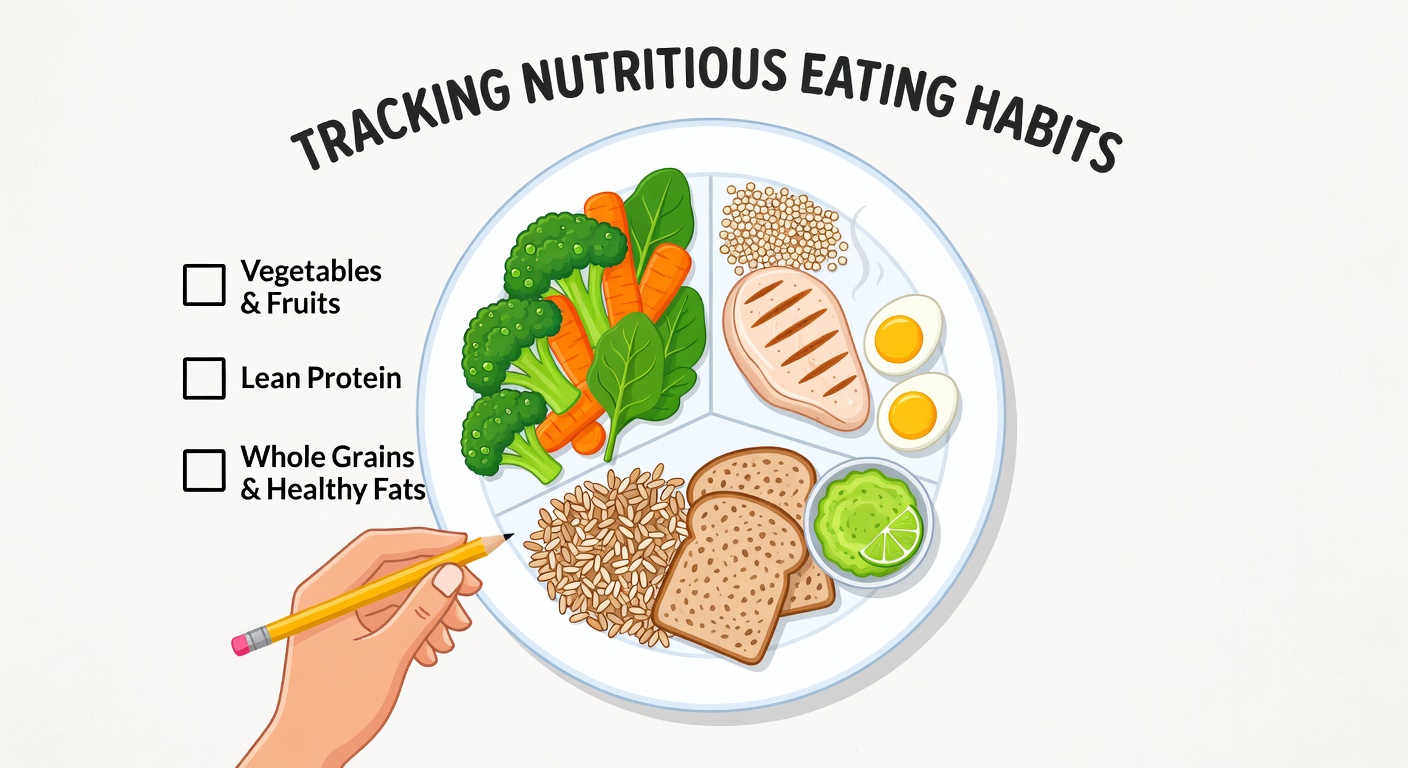
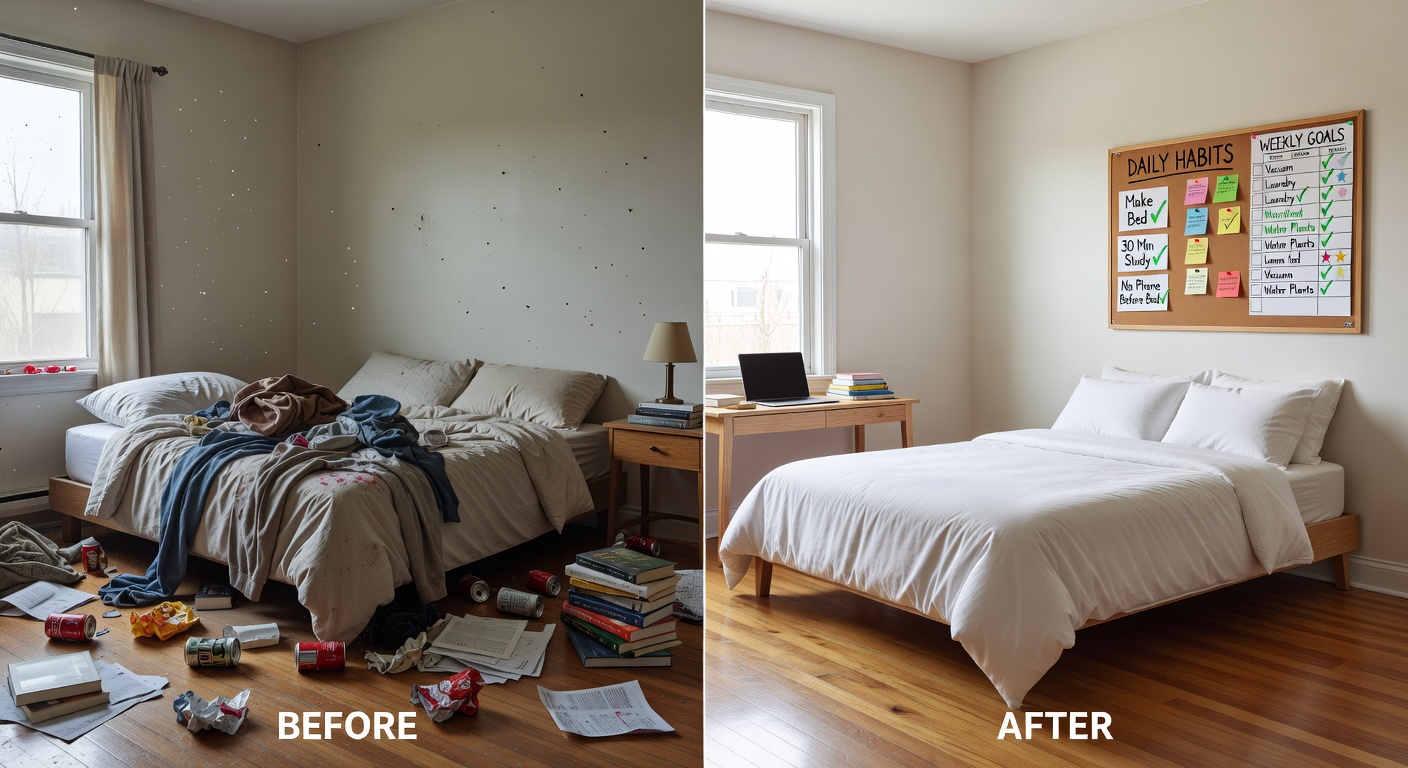
Sometimes a picture explains more than paragraphs. These visual guides from Travb illustrate key habit concepts.
Recommended Tools
Simple tools that work alongside Travb
These tools complement physical tracking and help reinforce your daily habits.
Bullet Journal
An analog organization system that integrates habit tracking with daily scheduling. Works perfectly with Travb's monthly grid template.
Pomodoro Timer
For time-based habits like reading or studying. 25 minutes on, 5 off. Simple timers keep habit sessions focused and bounded.
Visual Habit Board
Print your tracker and pin it where you'll see it daily. Visual placement is one of the highest-impact habit design choices you can make.
Focus Music Playlists
Create a dedicated playlist that signals focus time. Playing it consistently creates an audio cue that triggers your habit automatically.
Paper Calendar
A wall calendar serves as a powerful streak tracker. Mark each completed day with a bold X and never want to break that chain.
Weekly Review Template
Pair with Travb's weekly review template for a structured end-of-week reflection that surfaces patterns and improvements.
Research Highlights
Key studies in habit science
The science behind our methods. Key research that informs how Travb designs its tracking systems.
Lally et al. — "How are habits formed: Modelling habit formation in the real world"
University College London study of 96 participants showed habits take 18–254 days to form, with an average of 66 days. Missing occasional days didn't significantly impact habit formation.
Harkin et al. — "Does monitoring goal progress promote goal attainment?"
Meta-analysis of 138 studies found that self-monitoring behavior is consistently associated with improved goal achievement across health, productivity, and behavioral domains.
Wood & Rünger — "Psychology of Habit"
Annual Review of Psychology paper demonstrating that habits formed in consistent contexts are more durable than those formed in variable environments — supporting our anchor-habit approach.
Fogg — "Behavior Design Lab: Tiny Habits Studies"
Stanford research confirming that behavior change is most reliable when habits are made easy to start, emotionally satisfying to complete, and tied to existing routine anchors.
Turn knowledge into action today
Resources are only valuable when they're applied. Use Travb's free templates to immediately put the science of habit formation into daily practice. No app needed, no complexity required.
Browse Free Templates →
Well-read, now well-prepared
You have the knowledge. Now get the tools. Download your free habit tracker today.
Get Free Templates →