Habit Tracking
Methods
Discover proven techniques to build lasting habits. From simple streak tracking to the science-backed 1% improvement method — choose what works for your life.
Why simple methods win every time
Research shows that the most successful habit builders don't use complex systems — they use simple, visual, repeatable methods. The brain responds to clarity and reward loops, not elaborate frameworks.
Travb's methods are designed to minimize friction, maximize motivation, and create the psychological conditions for habits to stick permanently.
Get the Templates →Core Methods
Six methods that build real habits
🔥 The Streak Method (Don't Break the Chain)
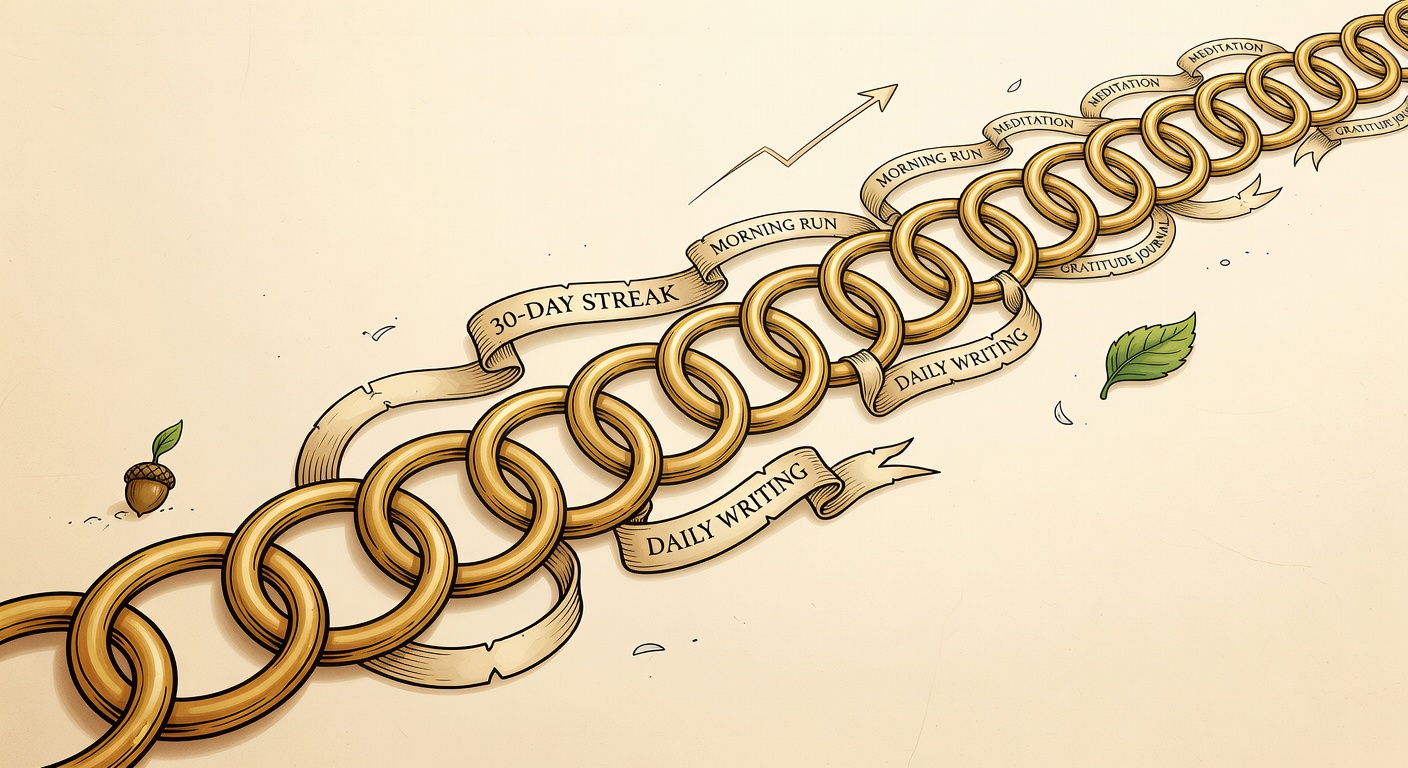
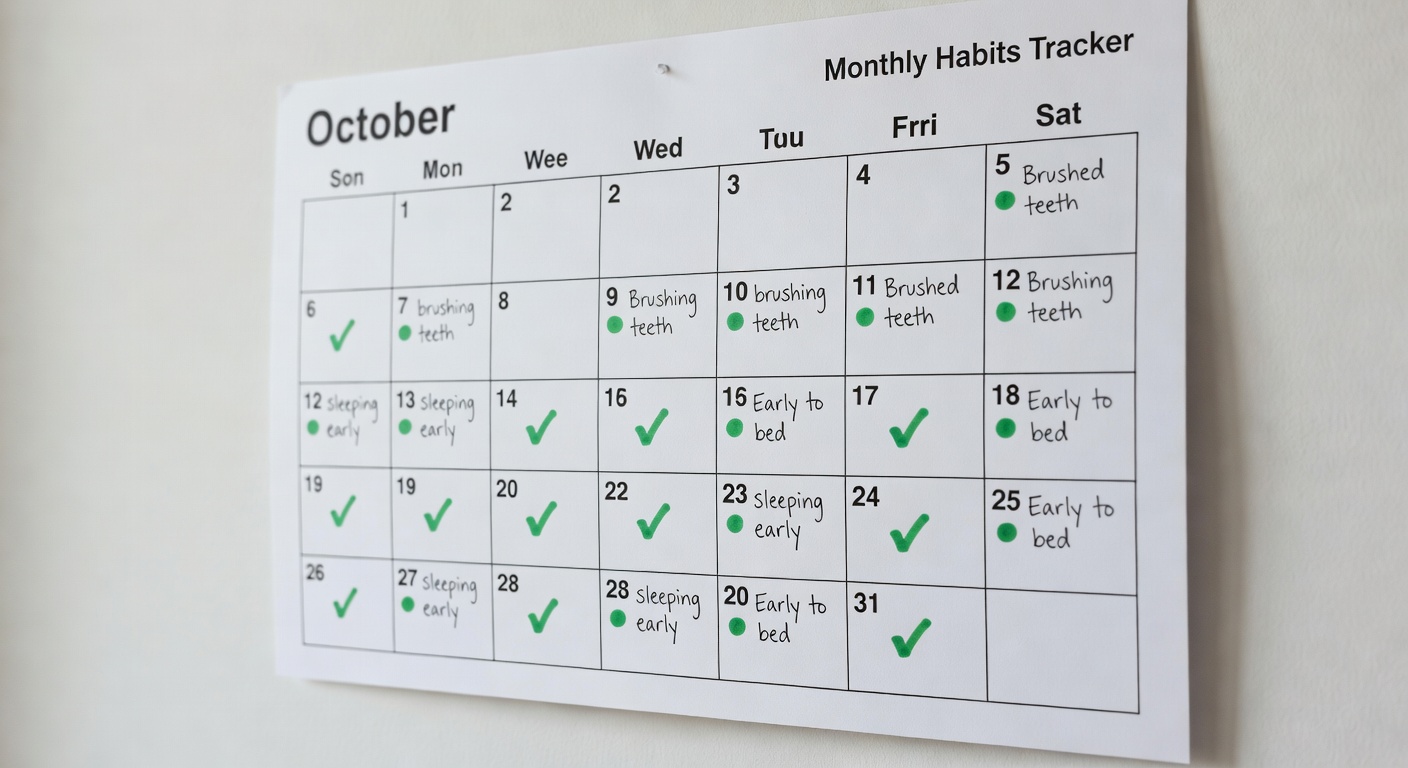
Made famous by Jerry Seinfeld, this method uses a simple calendar to mark every day you complete a habit. The growing chain becomes a powerful motivator — you'll never want to break it.
- Mark an X on your calendar for every day you complete the habit
- Watch the chain grow — this visual streak is your primary motivation
- If you miss a day, the rule is: never miss twice in a row
- Review your chain each week to celebrate progress
📈 The 1% Better Method
Based on James Clear's concept from Atomic Habits: getting 1% better every day means you'll be 37× better by year's end. Small improvements are invisible day-to-day but transformative over time.
- Identify one tiny improvement you can make to your habit
- Track the improvement percentage each week (even roughly)
- Focus on the process, not the destination
- Celebrate micro-wins — they compound into massive change
⏱️ The Two-Minute Rule
Any new habit should take less than two minutes to start. "Read before bed" becomes "open my book." The goal is to make showing up the default — the rest follows naturally.
- Scale your habit down to a 2-minute version
- Do the 2-minute version consistently for 2 weeks
- Gradually extend the time once the routine is established
- Never skip the 2-minute minimum, even on bad days
🔗 Habit Stacking
Attach a new habit to an existing anchor habit using the formula: "After I [CURRENT HABIT], I will [NEW HABIT]." This leverages your brain's existing neural pathways to build new ones.
- Choose a strong anchor habit you already do daily
- Write the stack: "After I [anchor], I will [new habit]"
- Keep the new habit small at first (see Two-Minute Rule)
- Stack multiple habits into a morning or evening routine
📋 The Daily Checklist Method
Simple and effective: write your 3–5 most important habits each morning and check them off throughout the day. The act of writing activates commitment, checking creates satisfaction.
- Each morning, write your habit checklist (3–5 habits max)
- Place the checklist where you'll see it often
- Check off each habit as you complete it
- Review completion rate at week's end and adjust
🌙 The Evening Review Method
End each day with a 5-minute reflection. Review what habits you completed, what you missed, and why. This builds self-awareness and creates intentionality for the next day.
- Set a 5-minute review time each evening
- Check off completed habits and note missed ones
- Write one sentence on what you'll do differently tomorrow
- Track weekly patterns to find your breakthrough insights
Find your ideal tracking style
Not every method works for every person. Use this quick comparison to see which approach aligns best with your goals, personality, and lifestyle.
Many people combine 2–3 methods — for example, using streak tracking with habit stacking for maximum effect.
| Method | Ease | Visual Impact | Best Timeframe | Ideal For |
|---|---|---|---|---|
| Streak Method | ★★★★★ | ★★★★★ | Daily | Consistency builders |
| 1% Better | ★★★★☆ | ★★★☆☆ | Weekly | Improvement seekers |
| Two-Minute Rule | ★★★★★ | ★★★☆☆ | Daily | Beginners |
| Habit Stacking | ★★★★☆ | ★★★☆☆ | Daily | Routine builders |
| Daily Checklist | ★★★★★ | ★★★★☆ | Daily | Multi-habit trackers |
| Evening Review | ★★★☆☆ | ★★★★☆ | Daily/Weekly | Reflective learners |
Quick Quiz
Which method suits you best?
Select your main goal and we'll suggest the ideal method to start with.
Ready to pick your method?
Download the matching tracker template and start today — completely free.
Browse Free Templates →